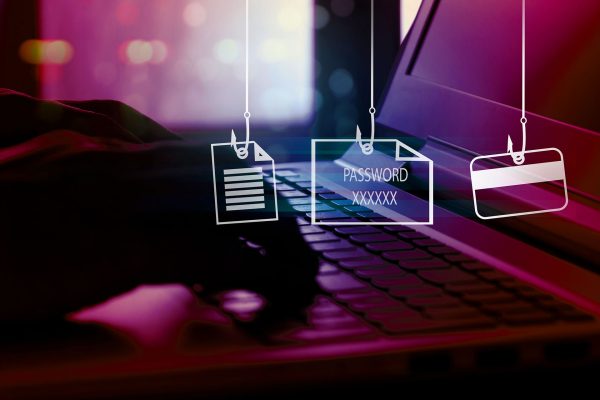
Most businesses do not collapse because of a sophisticated, Hollywood-style cyberattack. They collapsed because one employee clicked one link in one email that looked almost right. That is the unsettling reality of phishing. It is low-tech, high-success, and relentlessly common. The good news is that prevention is genuinely achievable. It just requires consistency.
What Phishing Actually Looks Like Today
Forget the obvious scams with broken grammar and implausible promises. Modern phishing emails mimic your bank, your software vendors, your own IT department. Some target specific individuals using personal details scraped from LinkedIn or company websites. This variation is called spear phishing, and it fools people who consider themselves digitally savvy.
Attackers are patient. They study your business before they strike.
Train Your Team Like It Matters
Human error drives the majority of successful phishing attacks. Which means your employees are simultaneously your greatest vulnerability and your most important line of defense.
Security awareness training should be:
- Regular, not a one-time onboarding checkbox
- Realistic, using simulated phishing emails that mimic actual attack styles
- Consequence-free for honest mistakes during training exercises
- Updated as attack techniques evolve
When people feel safe reporting a suspicious click without fear of punishment, incidents get contained faster. Build that culture deliberately.
Make Verification a Habit, Not an Insult
One of the simplest and most overlooked defenses is also the most human: pick up the phone and confirm. If an email requests a wire transfer, a password reset, or access to sensitive files, verify it through a separate channel before acting. Call the person directly. Use a number you already have on file, not one provided in the suspicious email itself.
This feels awkward at first. It quickly becomes routine. And it stops a remarkable number of attacks cold.
Fortify Your Technical Defenses
Training and vigilance matter, but technology carries part of the load too. Several layers of protection work together to reduce phishing exposure:
- Multi-factor authentication (MFA) on all accounts, especially email and financial systems
- Email filtering tools that flag external senders, scan attachments, and detect spoofed domains
- DNS filtering that blocks known malicious websites before employees can reach them
- Regular software updates that close vulnerabilities attackers exploit after a successful click
No single tool eliminates the risk. The combination significantly narrows it.
Have a Response Plan Before You Need One
Speed determines the difference between a contained incident and a full business disruption. If an employee reports a suspected phishing click at 9 a.m., your team should know exactly what happens next: who to contact, which systems to isolate, how to notify affected parties. Document that plan. Practice it. Store it somewhere accessible even if your primary systems go offline.
Businesses that recover quickly from phishing incidents share one trait: they prepared before anything went wrong.
The Mindset Shift That Changes Everything
Phishing persists because it exploits urgency and trust, two things that every functional business runs on. Attackers manufacture a sense of pressure that pushes people to act before they think.
Teaching your team to slow down, question the unusual, and verify before they act does not make operations cumbersome. It makes the business resilient. That shift in mindset, more than any software tool, is what keeps the doors open.